Journals
-
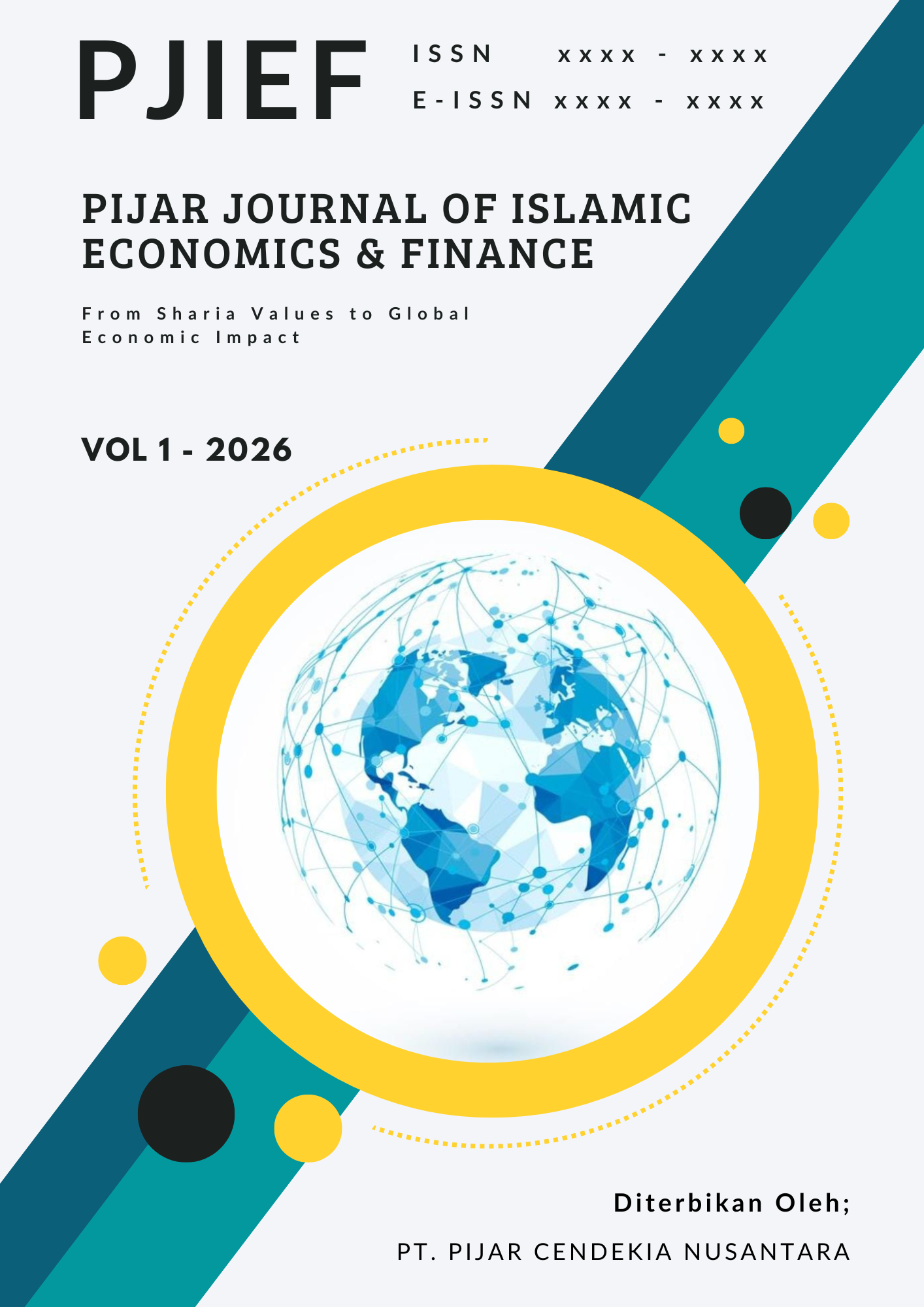
Pijar Journal of Islamic Economics and Finance (PJIEF)
The Pijar Journal of Islamic Economics and Finance (PJIEF) is a specialized peer-reviewed journal operating under the umbrella of the Pijar Multidisciplinary Research Journal. Officially established in January 2026, the journal is managed under the legal entity PT Pijar Cendekia Nusantara. It serves as an open-access scientific publication platform, utilizing the Open Journal System (OJS) to support the seamless and widespread dissemination of knowledge.
Since its inception, Pijar has been committed to maintaining global publication quality standards. This is demonstrated through the application of a Digital Object Identifier (DOI) to each article, the use of internationally standardized manuscript templates, and the regular refinement of its Author Guidelines to ensure linearity and scientific up-to-dateness.
In its management, PT Pijar Cendekia Nusantara opens strategic collaboration opportunities with various universities, research institutions, and professional associations at the national and international levels to expand the journal's reach and scientific impact. The journal is published six times a year: in January, March, May, July, September, and November. The scope and focus of the journal include, but are not limited to:
- Islamic Banking and Finance: Operations, risk management, and performance of Sharia financial institutions.
- Sharia Accounting and Audit: Islamic financial reporting standards, Sharia auditing practices, and compliance.
- Islamic Social Finance: Management of ZISWAF (Zakat, Infaq, Sadaqah, and Waqf) and poverty alleviation strategies.
- Global Halal Industry: Halal food ecosystem, halal tourism, modest fashion, and halal supply chain management.
- Islamic Development Economics: Macroeconomic policies, fiscal policy in Islam, and sustainable development.
- Islamic Business Ethics & Fiqh Muamalah: Normative foundations of business, Sharia contracts, and legal frameworks.
- Islamic Fintech: Innovation in Sharia financial technology, blockchain, and digital economy.
-
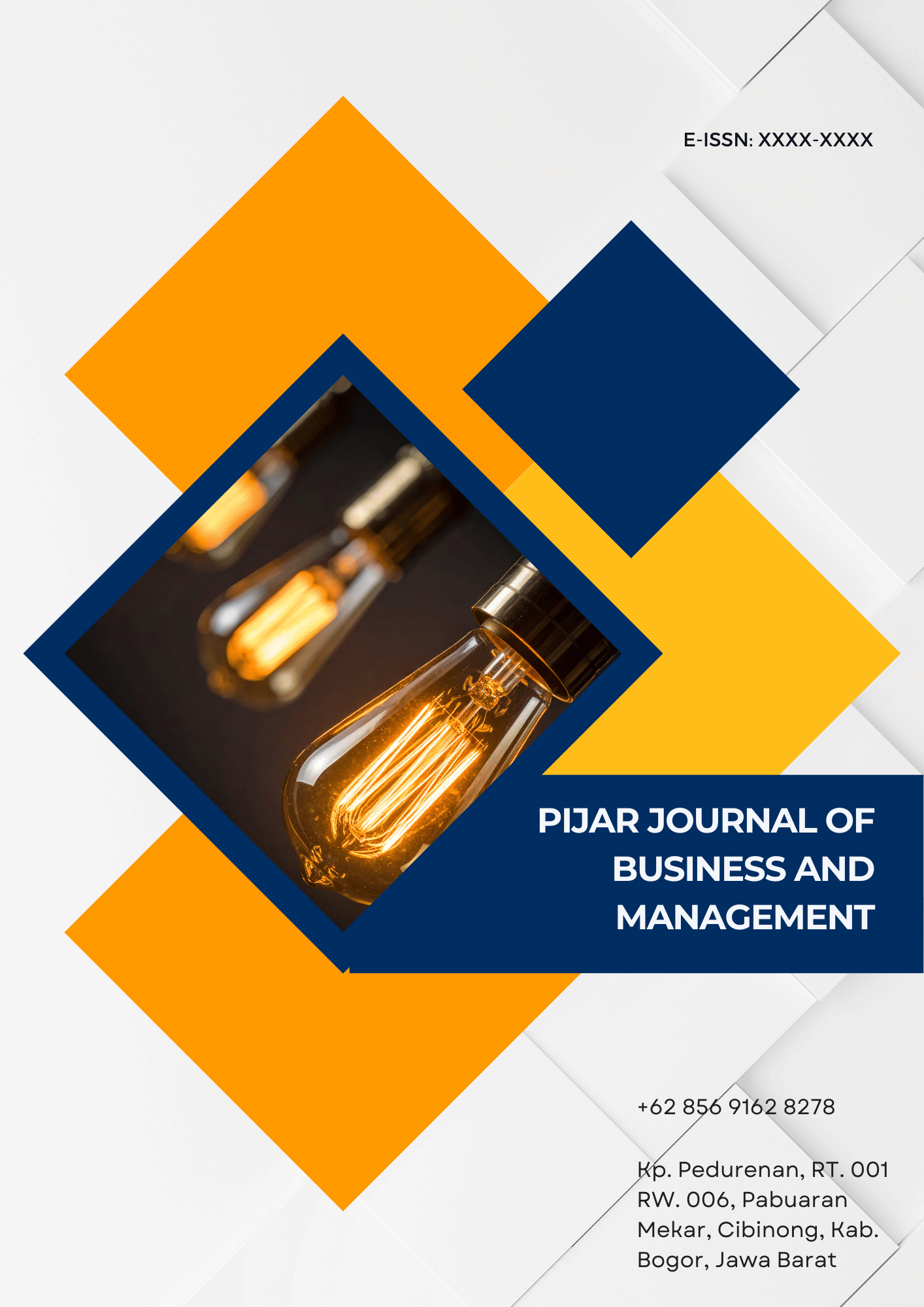
Pijar Journal of Business and Management
The Pijar Journal of Business and Management (PJBM) is a specialized peer-reviewed journal published under the umbrella of the Pijar Multidisciplinary Research Journal. Officially established in January 2026, the journal is managed under the legal entity PT Pijar Cendekia Nusantara.
PJBM serves as an Open Access scientific publication platform, utilizing the Open Journal System (OJS) to ensure the seamless and widespread dissemination of knowledge in the fields of business and management.
Since its inception, Pijar has been committed to maintaining global publication quality standards. This is demonstrated through:
- The application of a Digital Object Identifier (DOI) to each published article.
- The use of internationally standardized manuscript templates.
- The regular refinement of its Author Guidelines to ensure linearity and scientific up-to-dateness.
In its management, PT Pijar Cendekia Nusantara opens strategic collaboration opportunities with various universities, research institutions, and professional associations at national and international levels to expand the journal's reach and scientific impact.
Publication Frequency The journal is published bimonthly (six times a year) in January, March, May, July, September, and November.
Focus and Scope
The Pijar Journal of Business and Management (PJBM) welcomes original research articles, literature reviews, and case studies that contribute to the advancement of business and management theory and practice.
The scope of the journal covers, but is not limited to, the following areas:
- Marketing Management: Consumer behavior, digital marketing strategy, branding, and customer relationship management.
- Human Resource Management: Organizational behavior, leadership styles, talent acquisition, and employee engagement.
- Financial Management: Corporate finance, behavioral finance, investment analysis, and financial markets.
- Operations & Supply Chain Management: Logistics, supply chain sustainability, and operational efficiency.
- Entrepreneurship & SMEs: Business innovation, start-up management, and small-medium enterprise development.
- Strategic Management: Corporate strategy, business ethics, corporate social responsibility (CSR), and Good Corporate Governance (GCG).
- International Business: Cross-cultural management, global trade, and multinational business strategies.
-
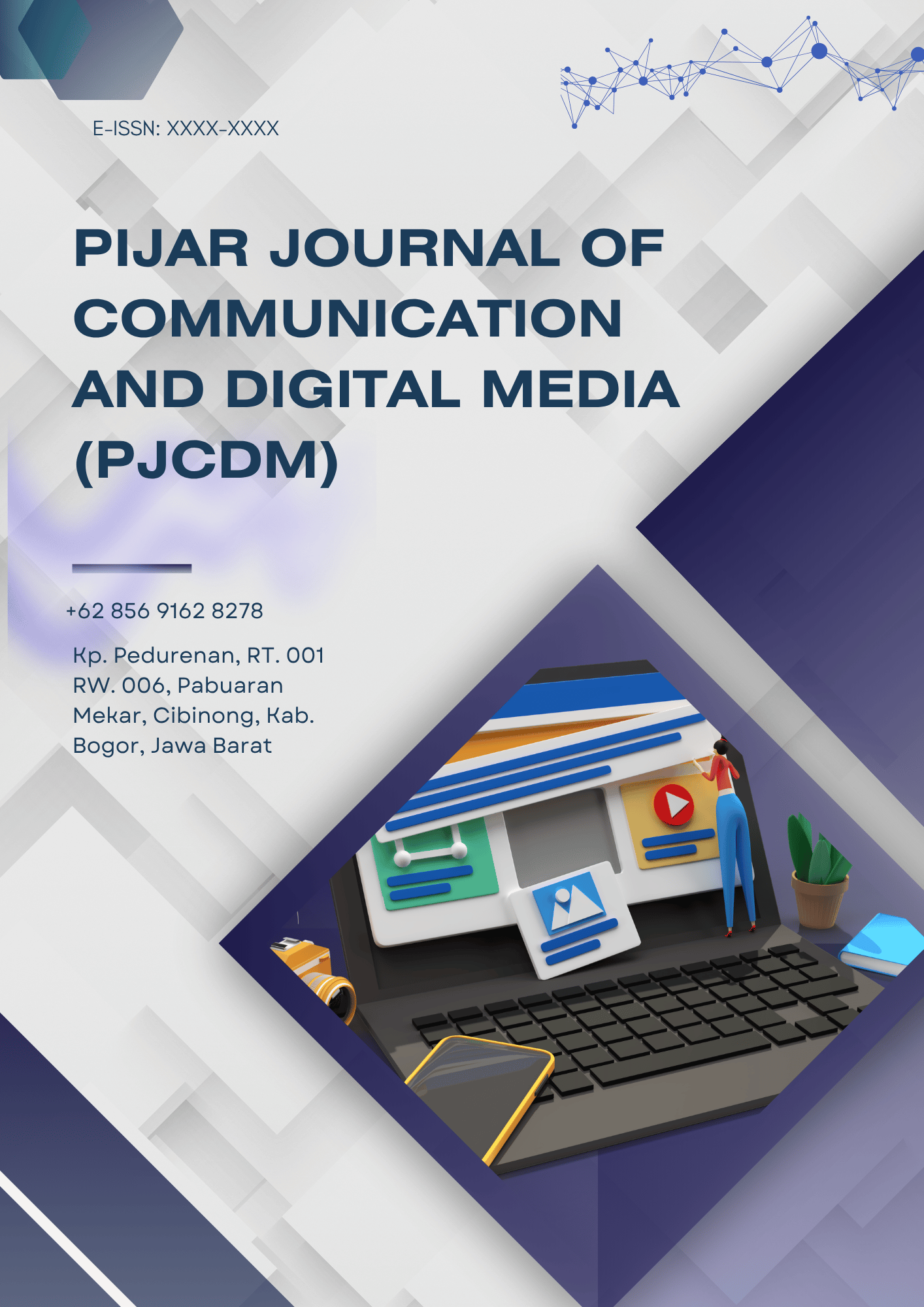
Pijar Journal of Communication and Digital Media (PJCDM)
Pijar Journal of Communication and Digital Media (PJCDM) is a peer-reviewed scientific journal dedicated to advancing knowledge, theories, and practices in the fields of communication studies, broadcasting, and digital media dynamics. This journal is part of the Pijar Multidisciplinary Research Journal ecosystem, officially established in January 2026 and managed under the legal entity PT Pijar Cendekia Nusantara.
PJCDM serves as an open-access scientific publication platform, utilizing the Open Journal System (OJS) to ensure widespread, transparent, and easily accessible dissemination of knowledge to academics, researchers, media practitioners, communication professionals, and media policymakers worldwide.
Since its inception, Pijar has been committed to maintaining global publication quality standards through:
- The application of a Digital Object Identifier (DOI) to each published article.
- The use of internationally standardized manuscript templates.
- Regular refinements to the Author Guidelines to keep pace with the latest developments in publication ethics and digital media industry trends.
Publication Frequency: The journal is published periodically three times a year, specifically in January, April, and September.
We welcome strategic collaboration opportunities with universities, research institutions, media corporations, and professional organizations in the communication sector to jointly develop an excellent, adaptive, and innovative communication and digital media research ecosystem.
-
Pijar Journal of Computer Science and Information Technology
Pijar Journal of Computer Science and Information Technology (PJCIT) is a peer-reviewed scientific journal dedicated to advancing knowledge and technology in the fields of computer science and information technology. This journal is part of the Pijar Multidisciplinary Research Journal ecosystem, officially established in January 2026 and managed under the legal entity PT Pijar Cendekia Nusantara.
PJCIT serves as an open-access scientific publication platform, utilizing the Open Journal System (OJS) to ensure widespread, transparent, and easily accessible dissemination of knowledge to academics, researchers, technology practitioners, and IT policymakers worldwide.
Since its inception, Pijar has been committed to maintaining global publication quality standards through:
- The application of a Digital Object Identifier (DOI) to each published article.
- The use of internationally standardized manuscript templates.
- Regular refinements to the Author Guidelines to keep pace with the latest developments in publication ethics and technological trends.
Publication Frequency: The journal is published periodically three times a year, specifically in January, April, and September.
We welcome strategic collaboration opportunities with universities, research institutions, and professional organizations in the technology sector to jointly develop an excellent, adaptive, and innovative computer science and information technology research ecosystem.